Resources

Knowledge centre

Practical guidance on buying, moving, shielding and supporting medical-imaging equipment. Eight guides written from project experience. All are free to read; if your question is not covered, ask it directly.

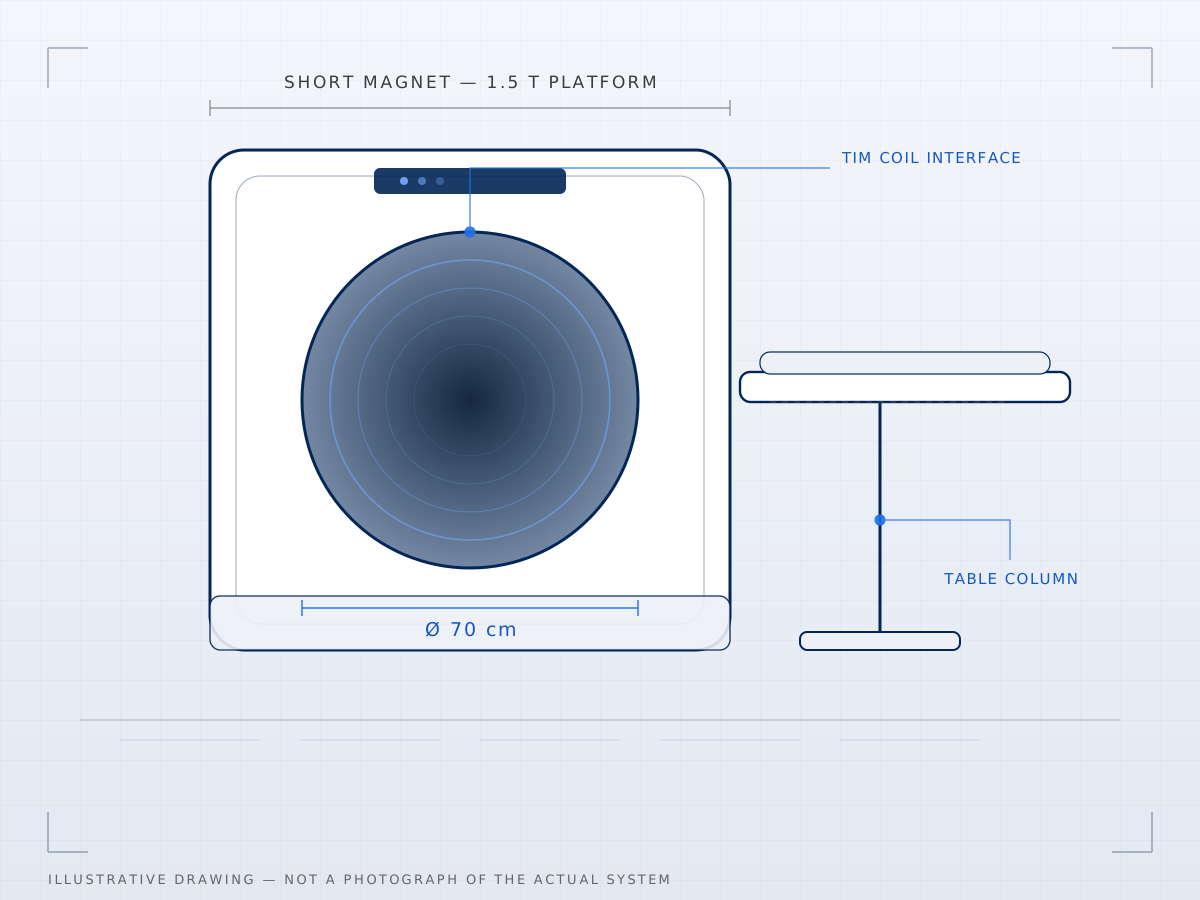
Technical drawing of a wide-bore MRI system

Equipment buying · Guide

Checklist for Buying a Used MRI Scanner

The questions worth answering before the money moves: field strength and bore against the intended clinical work, software version and options, the actual coil list, magnet state (cold, warm, ramped down), service history, and what the destination site can physically accept.

Read the guide
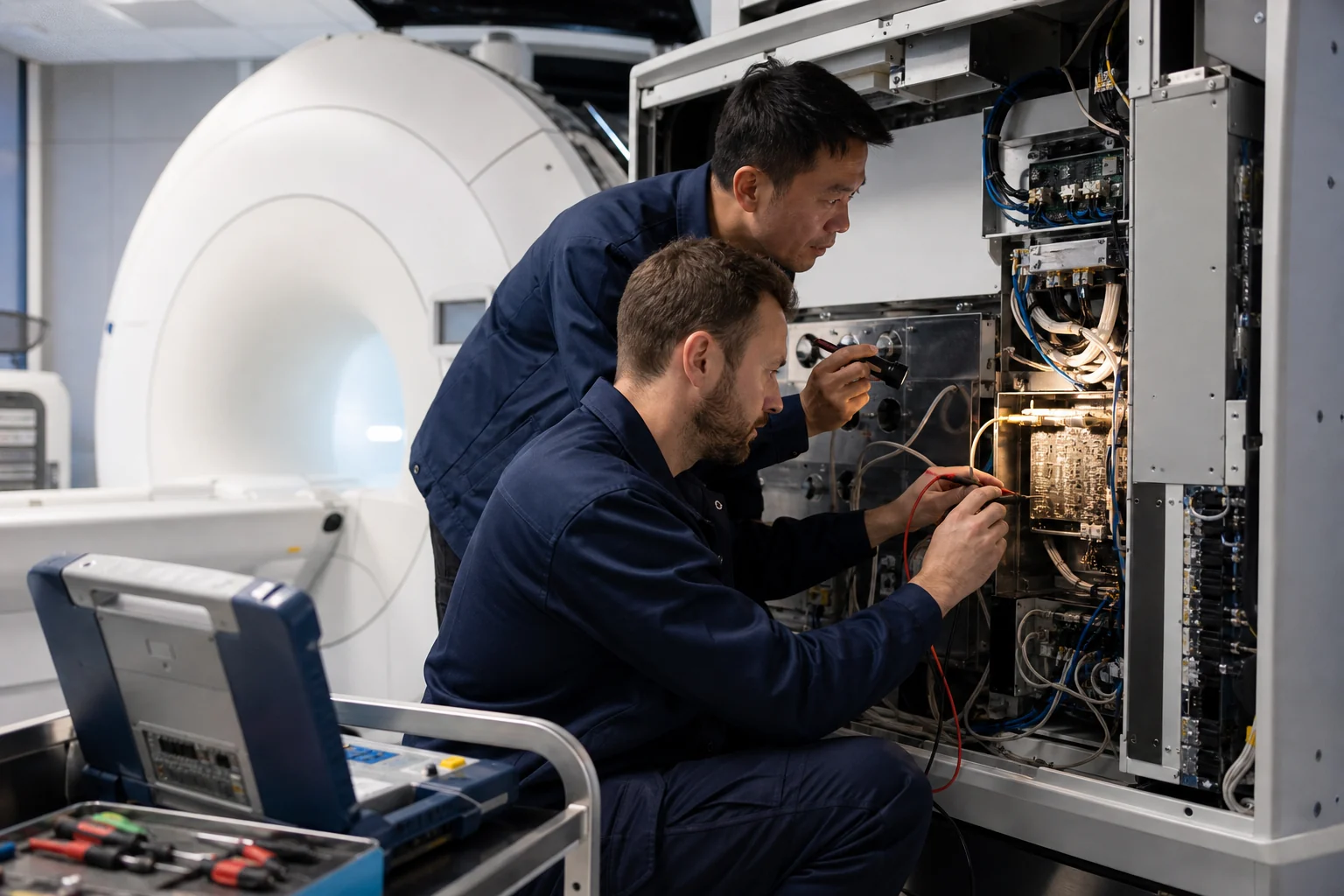
Biomedical field engineers diagnosing an MRI system

Equipment buying · Guide

How to Evaluate a Used CT Scanner

Tube status is the headline, but rarely the whole story. This guide covers tube scan-second usage, detector condition, generator and gantry checks, console and reconstruction hardware, and the documentation that supports each claim.

Read the guide
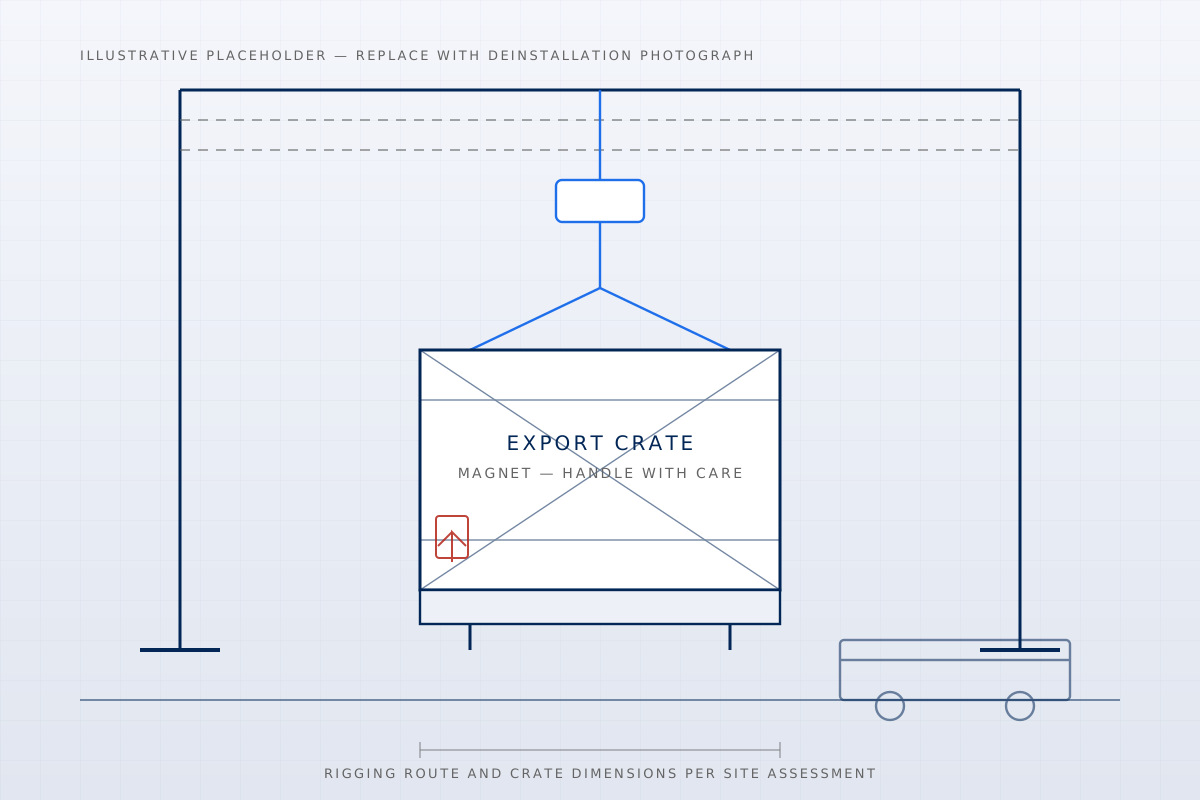
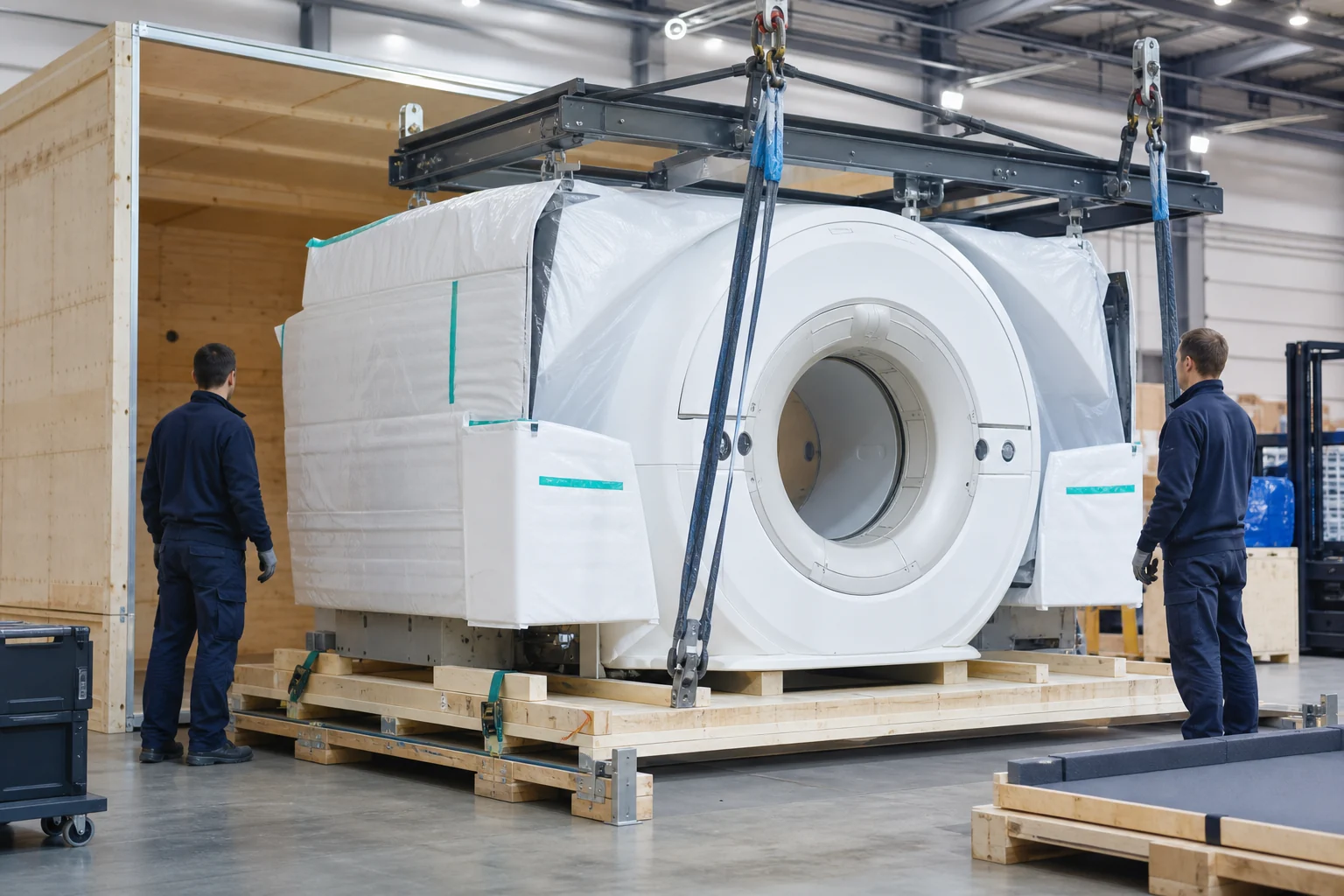
MRI scanner professionally rigged and protected for export

Logistics · Guide

MRI Deinstallation and Transport Requirements

What a site assessment actually looks for: access route and door dimensions, floor loading, lifting points and crane access, wall openings, cryogen and quench-pipe handling, export packing, and the documentation set that travels with the equipment.

Read the guide
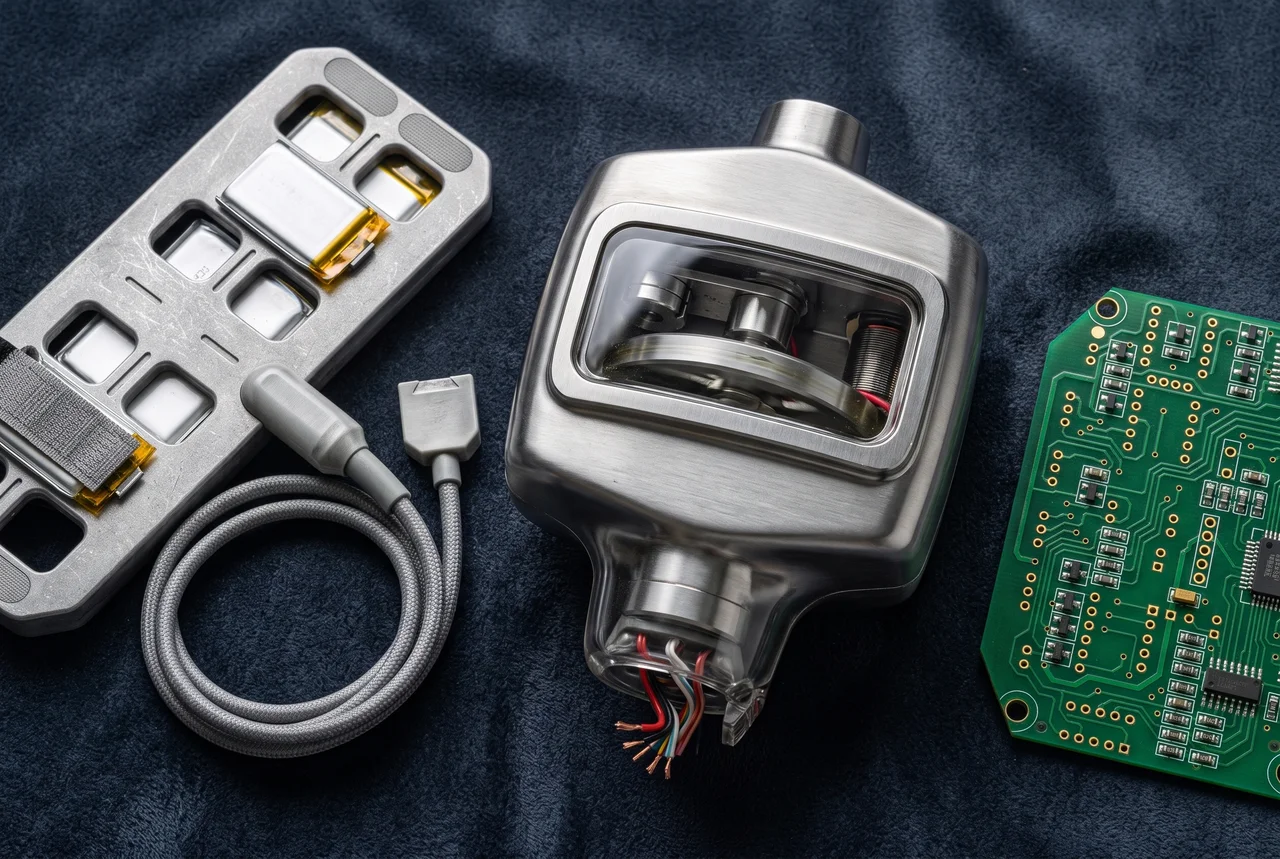
Illustrative render of medical imaging spare parts: a CT X-ray tube housing, a surface coil cable and connector, a battery tray and an electronic board

Spare parts · Guide

How to Identify a Medical Imaging Spare Part

Part identification fails on missing information more often than on availability. This guide explains which label to photograph, why the equipment model and revision matter, and how the system serial number narrows the search to the correct component variant.

Read the guide
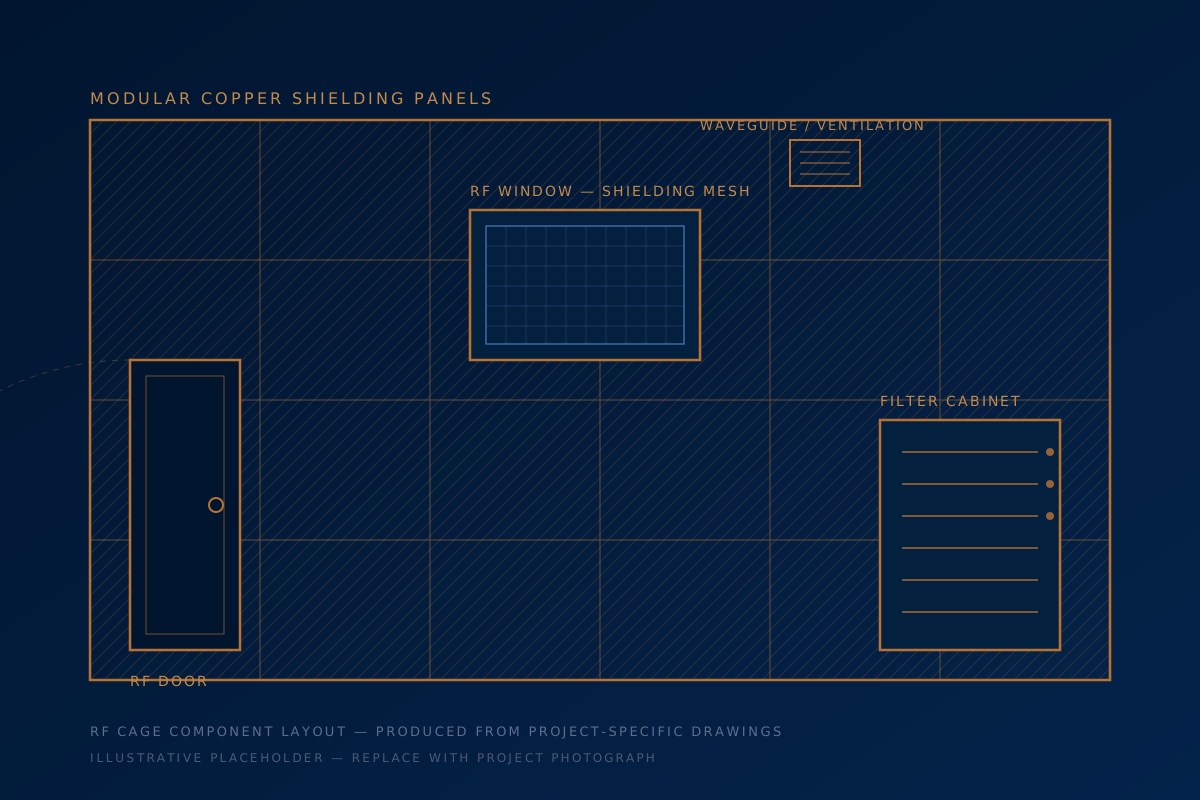
Technical drawing of an RF shielding Faraday cage

RF shielding · Guide

MRI RF Shielding and Faraday Cage Planning Guide

How an RF cage is planned around a room rather than dropped into it: panel layout, RF door and window positions, filter panel and cabinet placement, waveguide and ventilation penetrations, and the interfaces with the trades building the room.

Read the guide
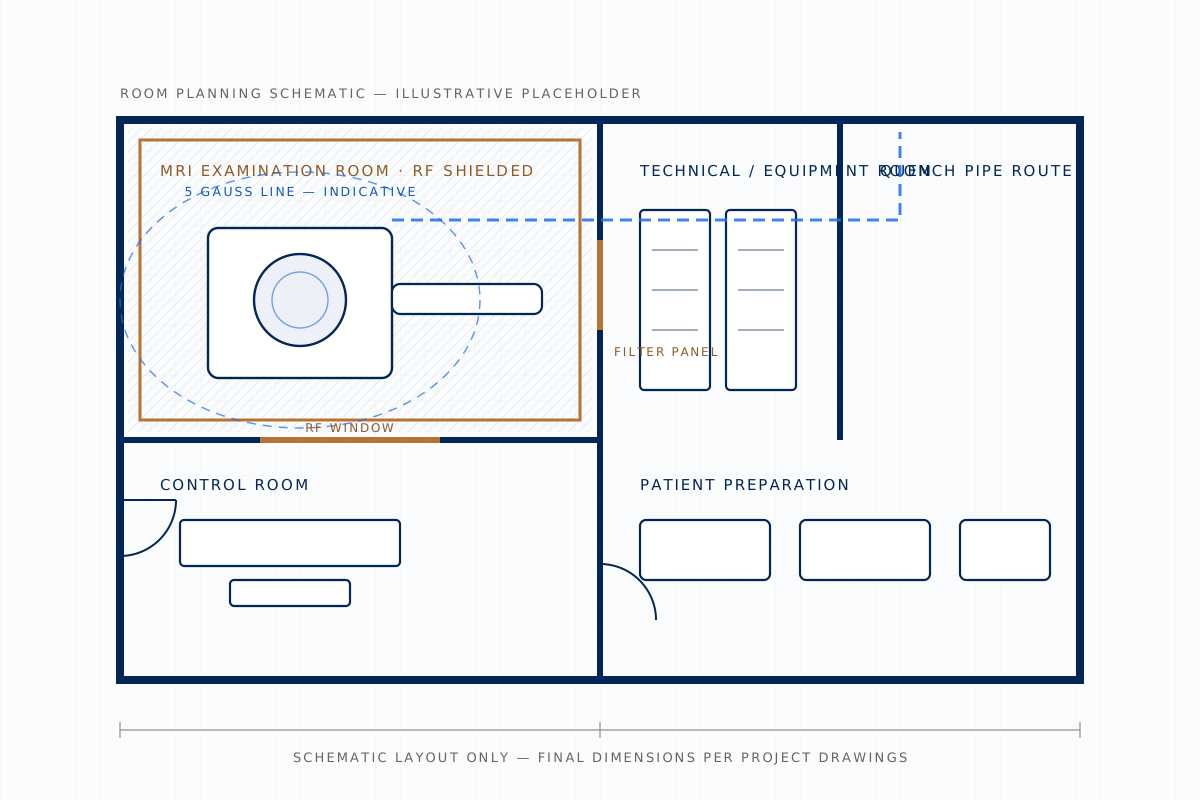
Architectural floor plan of a radiology department

Projects · Guide

Preparing a Room for MRI Installation

A practical sequence for site readiness: structural openings and final positioning route, electrical supply and earthing, cooling and ventilation, shielding completion, technical room layout, and the checks worth completing before the delivery vehicle is booked.

Read the guide
Schematic radiology department floor plan

Projects · Guide

What a Turnkey Radiology Project Covers

The full sequence from feasibility to first clinical scan: equipment selection, room planning, shielding, infrastructure, installation and handover, and where responsibility sits at each stage.

Read the guide
Technical drawing of international equipment transport

Regulatory · Guide

Importing Refurbished Medical Imaging Equipment

An overview of the questions that decide whether refurbished equipment can enter a market: national registration rules, age restrictions, pre-shipment inspection requirements, documentation sets, and who carries responsibility for each step.

Read the guide
Safety note. These guides are written for procurement, planning and technical management purposes. They are not service instructions. Work on medical imaging equipment — including opening covers, handling high-voltage assemblies, cryogen systems, X-ray tubes or energized components — must only be carried out by qualified technical personnel with the appropriate training, equipment and site authorisation.

Guidance published here is general in nature. Regulatory, import and registration requirements vary by destination country, and equipment-specific requirements are governed by the manufacturer documentation for each system.

Direct answers

Some questions are faster to answer than to publish

If you are weighing a specific system, room or part, describe it and we will answer against your case rather than the general one.